The allure of private air travel has been a topic of fascination for a lot of, typically depicted in motion pictures and media because the pinnacle of luxurious and exclusivity. However, beyond the glitz and glamour lies a fancy and evolving industry that caters to a various clientele, from enterprise executives searching for effectivity to wealthy individuals indulging in consolation. This observational research article goals to explore the present trends, motivations, and implications of private air travel, drawing from numerous sources, interviews, and private observations.
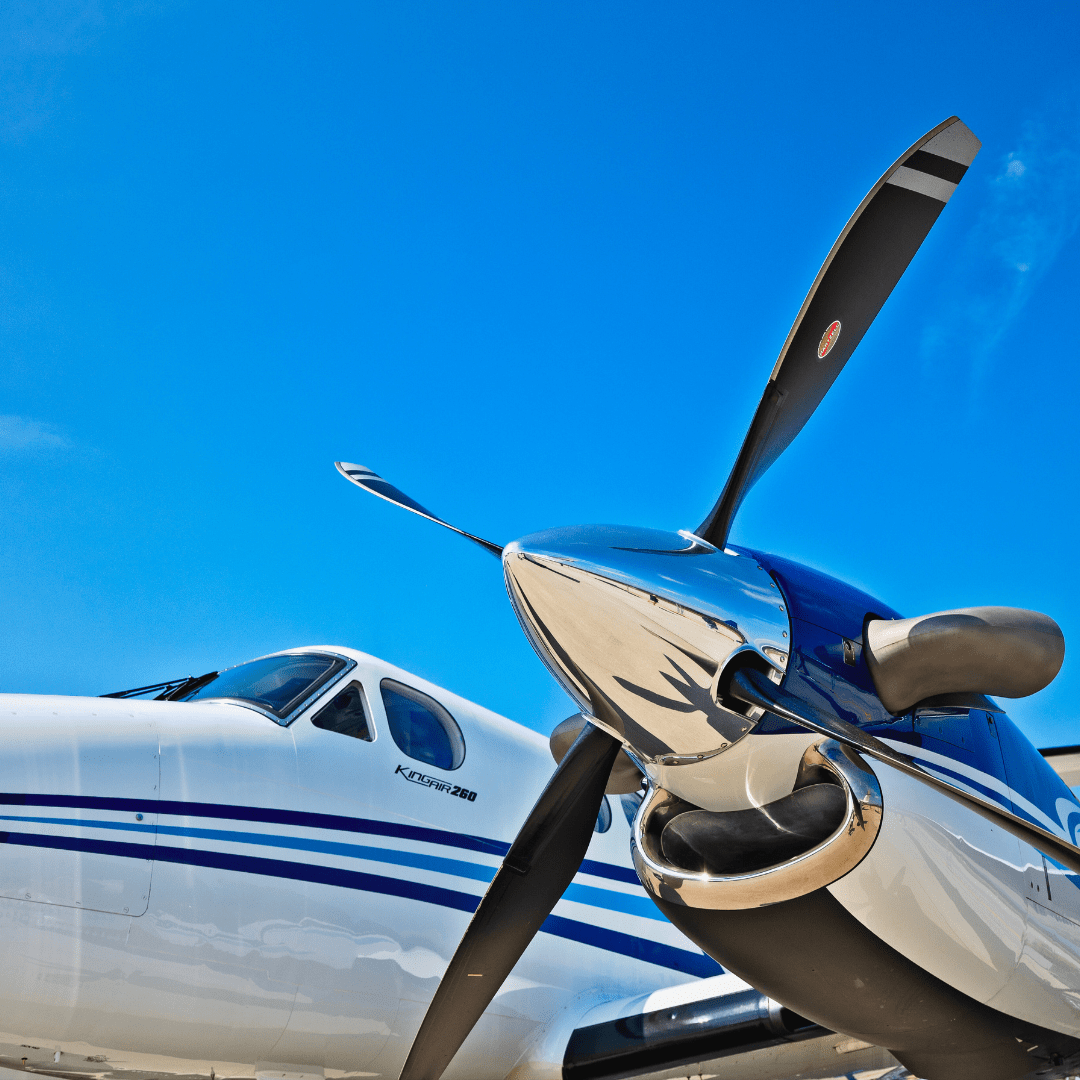
The Landscape of Private Air Travel
Private air travel encompasses a variety of companies, including private jets, helicopters, and charter flights. The industry has seen important development in recent times, fueled by a mix of technological developments, altering consumer preferences, and a worldwide financial system that increasingly values time effectivity. According to the National Business Aviation Association (NBAA), the variety of private aircraft registered in the United States alone has surpassed 200,000, a testament to the growing demand for personalised air travel.
In observing the private aviation panorama, one can not ignore the rise of on-demand charter companies, which have democratized entry to private flights. Companies like NetJets, Wheels Up, and VistaJet have launched fractional ownership and membership models, permitting shoppers to book flights without the burden of proudly owning an aircraft. This shift has broadened the enchantment of private air travel, attracting not only ultra-excessive-net-price people but additionally company purchasers and leisure travelers searching for comfort.
Motivations Behind Private Air Travel
The motivations for selecting private air travel are multifaceted. For enterprise executives, time is often the most worthy commodity. The power to bypass business airport hassles, avoid lengthy security lines, and fly on to distant areas can significantly enhance productivity. Observations at numerous airports reveal that many corporate jets are equipped with state-of-the-artwork expertise, enabling passengers to work en route, conduct conferences, and maintain connectivity.
On the other hand, leisure travelers are drawn to the exclusivity and comfort that private flights provide. Observing affluent households and celebrities boarding private jets, one can see the enchantment of personalised service, gourmet catering, and spacious cabins. The privateness that private air travel affords is particularly attractive to high-profile people who search to keep away from the public eye. The experience of flying privately can be tailor-made to particular person preferences, from the selection of in-flight entertainment to the number of champagne.
The Environmental Influence
Regardless of the various benefits of private air travel, it is not with out its criticisms, notably relating to environmental sustainability. Private jets are sometimes scrutinized for his or her carbon footprint, as they usually emit significantly more greenhouse gases per passenger in comparison with industrial airways. Observational information from environmental organizations point out that private aviation contributes to a disproportionate share of aviation emissions, raising issues in regards to the business's long-term sustainability.
In response to those criticisms, some private aviation companies are taking steps to mitigate their environmental impression. Initiatives akin to carbon offset applications, investments in sustainable aviation fuel, and the development of electric aircraft have gotten more prevalent. If you beloved this article therefore you would like to obtain more info with regards to Greenhiveco beginner-friendly guide nicely visit the website. Observing these efforts, it is evident that the business is at a crossroads, balancing the demands for luxury and convenience with the urgent want for environmental accountability.
The way forward for Private Air Travel
The future of private air travel seems to be vibrant, with a number of tendencies shaping its trajectory. One notable trend is the increasing integration of technology in the booking and flying process. Mobile apps and digital platforms are streamlining the way purchasers ebook flights, manage itineraries, and talk with flight crews. Observations of person interfaces reveal a focus on consumer experience, enabling seamless interactions that cater to the tech-savvy traveler.
Furthermore, the COVID-19 pandemic has accelerated a shift in consumer behavior, with many individuals and companies reconsidering their journey preferences. The desire for social distancing and reduced publicity to crowded areas has led to a surge in private jet bookings. Industry studies point out that private aviation skilled a major rebound put up-pandemic, with many first-time customers opting for private flights as a result of safety concerns.
Moreover, the emergence of city air mobility (UAM) presents exciting possibilities for the future of private air travel. Concepts reminiscent of air taxis and quick-haul flights using electric vertical takeoff and landing (eVTOL) aircraft are gaining traction. Observational studies of city transportation trends counsel that UAM could revolutionize the way in which individuals think about travel, making private air travel extra accessible and efficient.
Conclusion
In conclusion, the landscape of private air travel is a dynamic and evolving sector that displays broader societal traits and individual wishes. As observed, the motivations for selecting private flights vary from time effectivity for enterprise travelers to luxury and privateness for leisure seekers. Nevertheless, the business must also navigate the challenges of environmental sustainability and changing shopper expectations.
The future of private air travel holds promise, driven by technological developments and a growing awareness of environmental duty. As the trade adapts to those modifications, it will likely be fascinating to observe how private air travel continues to evolve, catering to the needs and aspirations of a various clientele whereas addressing the urgent challenges of our time. The rise of private air travel is not merely a reflection of wealth; it's a fancy interplay of innovation, life-style, and accountability that may form the skies for years to come.