

Charter airline companies have carved a big niche within the aviation business, offering distinctive companies that cater to a diverse clientele. Unlike traditional scheduled airways, charter airlines operate flights that are not a part of a daily timetable, allowing for greater flexibility and customization. This article presents an observational examine of charter airline companies, focusing on their operational dynamics, market tendencies, and the challenges they face in a competitive panorama.
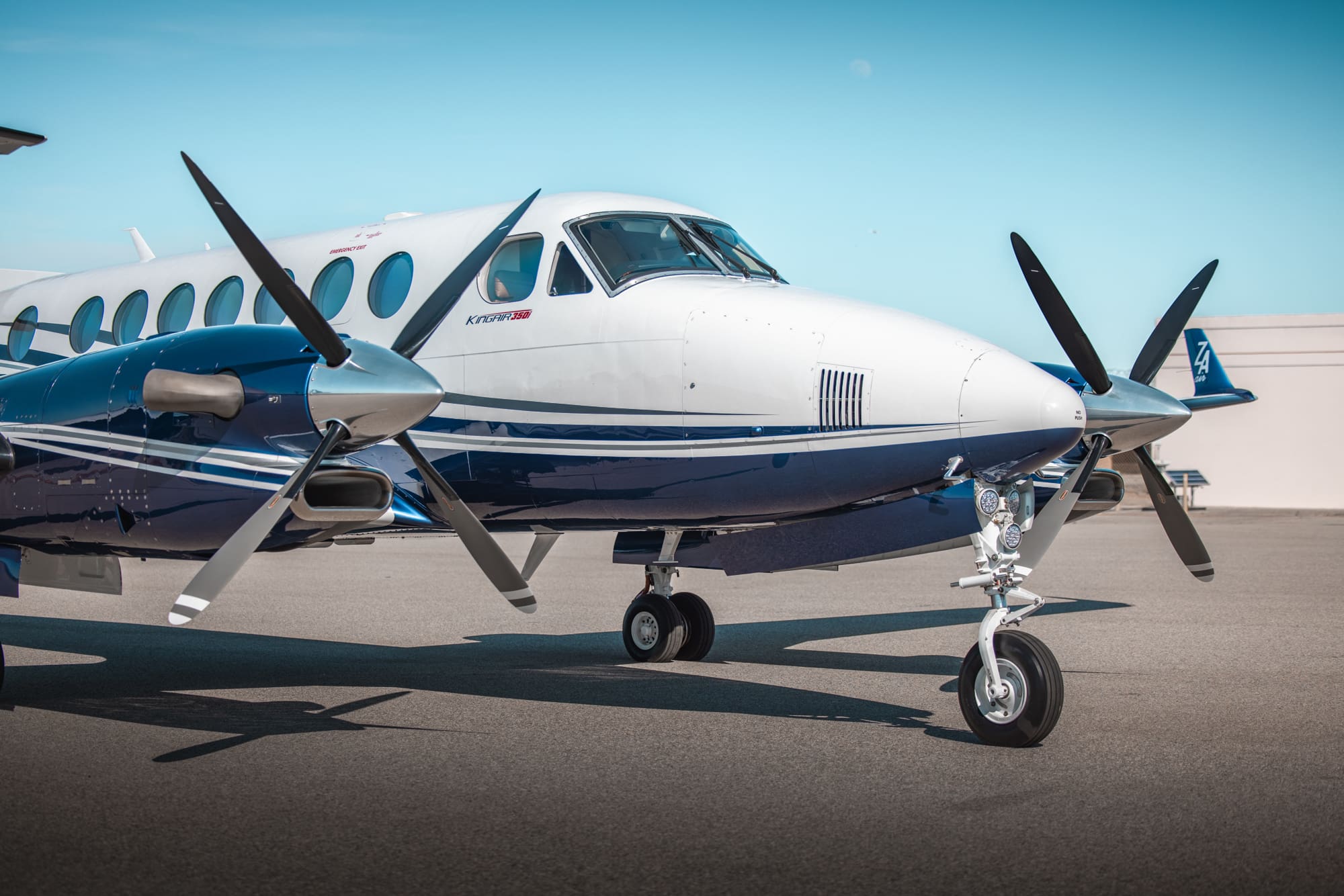
The Charter Airline Enterprise Model
Charter airlines function on a business mannequin distinct from that of commercial airways. Their primary operate is to provide on-demand services, which will be tailored to satisfy the precise needs of shoppers. This flexibility attracts various buyer segments, including corporate shoppers, vacationers, and teams traveling for events. Charter flights can be booked for quite a lot of causes, from enterprise journeys to family vacations, sports groups, and even emergency evacuations.
One of the defining characteristics of charter airlines is their potential to supply non-cease flights to locations that will not be serviced by traditional airlines. If you cherished this post and you would like to acquire far more details relating to Greenhiveco kindly stop by our web-page. This is particularly advantageous for remote locations or standard vacationer destinations that lack regular air service. By catering to these underserved markets, charter airlines can fill a hole in the aviation sector, offering important connectivity for travelers.
Operational Dynamics
The operational framework of charter airlines differs considerably from that of scheduled airlines. Charter companies typically operate a fleet of aircraft that will vary from small jets to bigger planes, relying on their target market. The operational efficiency of these airways is often predicated on their ability to handle aircraft utilization successfully. Charter airways must maintain a delicate stability between maximizing aircraft availability and making certain security and compliance with aviation rules.
The booking process for charter flights is mostly more simple than that of scheduled airlines. Clients can often e-book flights straight through the airline's webpage or via a broker, allowing for a extra personalised service expertise. This direct interplay with customers enables charter airlines to construct robust relationships, fostering loyalty and repeat business.
Market Traits
The charter airline trade has witnessed several notable trends in recent years. One of the most significant shifts has been the rise of private jet travel, pushed by an rising number of high-web-value individuals looking for personalised journey experiences. This pattern has been further accelerated by the COVID-19 pandemic, which prompted many travelers to prioritize security and privateness. As a result, charter airways have tailored their choices to cater to this growing demand, expanding their services to incorporate luxury amenities and personalized travel itineraries.
Moreover, the advent of expertise has transformed the charter airline landscape. The usage of online platforms and cell functions has made it simpler for purchasers to check costs, guide flights, and monitor their journey plans. This digital transformation has enabled charter airlines to succeed in a broader audience, rising their visibility and market share.
Challenges Going through Charter Airlines
Despite their growing popularity, charter airlines face several challenges that may influence their operations and profitability. One in all the primary points is regulatory compliance. Charter airways must adhere to stringent safety and operational regulations set forth by aviation authorities, which can differ significantly by region. Navigating these rules may be complex and costly, significantly for smaller operators.
Additionally, the charter airline market is highly competitive, with quite a few gamers vying for market share. This competition can lead to cost wars, which can erode revenue margins. To stay aggressive, charter airlines must differentiate themselves via distinctive customer support, distinctive offerings, and strategic marketing efforts.
One other challenge is the unpredictability of demand. Unlike scheduled airlines, which might rely on established routes and passenger visitors patterns, charter airways typically face fluctuations in demand primarily based on seasonality, financial circumstances, and international occasions. This volatility can make it tough for charter operators to forecast revenue and plan for future growth.
The future of Charter Airlines
Looking forward, the charter airline trade is poised for continued evolution. As consumer preferences shift toward customized journey experiences, charter airlines are prone to develop their offerings to include extra bespoke services. This might contain partnerships with luxurious accommodations, concierge services, and tailor-made journey experiences that improve the general customer journey.
Furthermore, the rising emphasis on sustainability within the aviation sector presents both challenges and opportunities for charter airlines. As travelers turn out to be extra environmentally acutely aware, charter operators may have to invest in more gas-efficient aircraft and explore various fuels. By embracing sustainable practices, charter airlines cannot only scale back their carbon footprint but additionally attract eco-acutely aware travelers.
Conclusion
Charter airline companies play a vital function within the aviation industry by providing versatile, on-demand travel options that cater to a diverse range of customers. As they navigate the complexities of regulatory compliance, market competitors, and evolving consumer preferences, charter airlines should stay agile and innovative to thrive on this dynamic atmosphere. The way forward for charter airways looks promising, with opportunities for growth and expansion in an increasingly personalized and sustainable travel landscape. As the business continues to evolve, charter airlines will undoubtedly remain an essential component of the global aviation ecosystem.