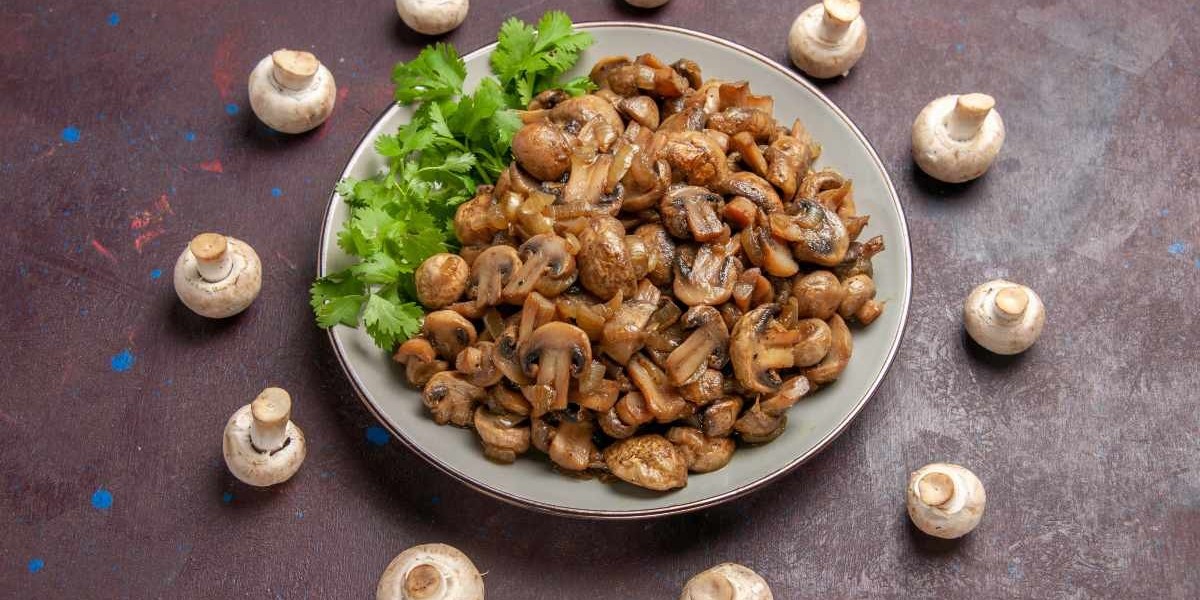

Few side dishes change as much from kitchen to kitchen as a pan of mushrooms. In one home they come out deeply golden, glossy, and packed with savory flavor. In another they turn out gray, watery, and a little squeaky. The ingredients are the same, so the difference comes down to technique.
This guide from Devine Dishes explains why mushrooms behave the way they do in a hot pan, and how to control the outcome. You will get a tested step-by-step method, a smoky garlic and paprika flavor profile, variations for different diets and meals, and storage advice. By the end, sautéed mushrooms will be a dish you can make from memory, whether you need a quick side, a steak topping, or a vegetarian main.
How Do You Cook Mushrooms in a Skillet?
Sautéed mushrooms are made by cooking sliced mushrooms in a hot, wide skillet with butter and oil until the liquid evaporates and the surface turns golden brown. Use medium-high heat, leave the slices in a single layer, and do not stir for the first 3 to 4 minutes. Add salt once they begin to brown, then add garlic and paprika in the last minute. The whole process takes about 15 minutes.
Recipe at a glance:
Prep time: 5 minutes
Cook time: 10 minutes
Total time: 15 minutes
Servings: 4 as a side dish
Skill level: Beginner
Diet notes: Vegetarian, gluten-free, naturally low-carb (swap butter for oil to make it vegan)
Why Mushrooms Turn Soggy (and How to Prevent It)
Understanding the science makes the recipe easy to remember. Mushrooms are made up of roughly 90 percent water, held in a spongy, porous structure. When that structure meets heat, the water escapes quickly.
The pan’s job is to remove that water before it can ruin the texture. Three conditions decide whether that happens:
Pan temperature: A hot pan evaporates moisture as soon as it appears. A lukewarm pan lets it collect.
Available space: Crowded mushrooms trap steam between them, so they simmer instead of sear.
Surface moisture: Mushrooms that go in wet start steaming immediately.
Once the water is gone, the Maillard reaction takes over. This is the browning process in which amino acids and natural sugars react under heat to create hundreds of new flavor compounds. It is the reason a golden mushroom tastes so much deeper than a pale one.
Everything in the method below is designed to support those two stages: evaporate first, then brown.
Choosing the Right Mushrooms
Different varieties bring different textures, so pick based on what you are serving.
Everyday Favorites
Cremini (baby bella): Firm with an earthy, slightly nutty taste. This is the best default for beginners.
White button: Mild and affordable. They brown well as long as the pan is not crowded.
Portobello: Meaty and dense. Slice thick and expect a richer, darker result.
Specialty Varieties
Shiitake: Chewy and savory. Remove the tough stems before cooking.
Oyster: Soft, delicate, and quick to cook. They crisp at the edges.
Maitake: Feathery clusters that turn crunchy and golden.
What to Look for at the Store
Choose mushrooms that feel firm and dry with smooth caps. Avoid packages with slimy spots, dark wet patches, or a strong ammonia smell. Fresh mushrooms keep best in a paper bag in the refrigerator rather than in sealed plastic.
Ingredients
This list is short on purpose.
1 pound (450 g) cremini mushrooms, sliced ¼ inch thick
1 tablespoon olive oil or avocado oil
1 tablespoon unsalted butter
4 cloves garlic, minced
½ teaspoon smoked paprika
½ teaspoon fine salt, adjusted to taste
¼ teaspoon black pepper
1 teaspoon fresh thyme leaves (optional)
1 tablespoon chopped fresh parsley
1 teaspoon lemon juice (optional)
Equipment: A 12-inch stainless steel or cast iron skillet, a wooden spoon or spatula, and a clean kitchen towel for drying the mushrooms.
Step-by-Step Instructions
Step 1: Clean the Mushrooms Gently
Brush off dirt with a soft brush or wipe each cap with a damp paper towel. If they are very dirty, a quick rinse under cold water is fine. Then pat them completely dry. Do not soak them, because the water they absorb will end up in your pan.
Step 2: Slice Evenly
Cut the mushrooms into slices about ¼ inch (6 mm) thick. Even slices cook at the same pace, which prevents a mix of burnt and underdone pieces. For small button mushrooms, halving or quartering works just as well.
Step 3: Heat the Pan First
Place the skillet over medium-high heat for 2 minutes before adding anything. Add the oil, then the butter. Wait until the butter melts, foams, and the foam starts to settle. That signals the pan is hot enough.
Step 4: Add the Mushrooms in One Layer
Spread the slices out so most of them touch the pan surface. If they pile up more than one layer deep, split them into two batches. It takes a few extra minutes, but the browning is dramatically better.
Step 5: Leave Them Alone
Let the mushrooms cook undisturbed for 3 to 4 minutes. You will hear sizzling, then see liquid pooling around them. Keep going. The liquid will cook off, and the bottoms will begin to turn golden.
Step 6: Stir and Season
Toss the mushrooms and cook for another 4 to 5 minutes, stirring every minute or so. When they look browned and have shrunk to about half their original size, sprinkle in the salt and pepper. Salting at this stage keeps the early cooking phase dry and efficient.
Step 7: Add Garlic and Smoked Paprika
Reduce the heat to medium. Add the garlic, paprika, and thyme. Stir constantly for 45 to 60 seconds, until the kitchen smells fragrant but the garlic has not turned dark brown.
Step 8: Finish with Brightness
Remove the pan from the heat. Stir in the parsley and a small squeeze of lemon juice. The acid sharpens every other flavor in the pan. Taste and adjust the salt before serving.
Garlic Sautéed Mushrooms: Getting the Flavor Right
Garlic sautéed mushrooms are the classic version, and they rely on timing more than quantity. Raw garlic turns bitter within seconds of hitting a hot, dry surface, so the order of operations matters.
Add it late. The garlic only needs about a minute in the pan.
Use the heat wisely. Lower the flame before the garlic goes in.
Choose your cut. Minced garlic gives a strong, even flavor. Thinly sliced garlic gives soft, sweet bits that are easy to spot on the plate.
Try roasted garlic. For an even mellower profile, stir in a spoonful of mashed roasted garlic at the end.
Smoked paprika pairs naturally with garlic. It adds a subtle campfire note without making the dish spicy. If you prefer heat, swap in a pinch of cayenne or red pepper flakes.
Butter Sautéed Mushrooms vs. Oil: Which Fat Is Better?
The fat you choose influences flavor, color, and how forgiving the process feels.
Fat | Flavor | Heat Tolerance | Best For |
Butter only | Rich, nutty | Low to medium | Gentle cooking, finishing |
Olive oil | Fruity, light | Medium to high | Everyday cooking |
Avocado oil | Neutral | Very high | Dairy-free, high-heat searing |
Butter and oil | Balanced | Medium-high | Our recommended blend |
Butter sautéed mushrooms taste wonderful, but butter contains milk solids that brown and then burn when pushed too far. Starting with oil protects against that, and adding butter near the end captures its flavor without the bitterness. For a restaurant-style finish, swirl in one extra tablespoon of cold butter after turning off the heat.
Quick Sautéed Mushrooms for Busy Weeknights
If dinner has to happen fast, a few small choices can shave the schedule down to about 12 minutes without hurting the results.
Buy pre-sliced mushrooms. This saves a few minutes of knife work.
Use your biggest skillet. One batch is faster than two.
Set out everything first. Measure the garlic, paprika, and salt while the pan heats.
Use pantry shortcuts. Garlic powder and dried thyme work when you are out of fresh.
Resist fiddling. Hands-off cooking is both the fastest and the best technique.
A pan of mushrooms can finish while rice cooks or while a protein rests, which makes it an ideal “last-minute” side.
Common Mistakes and Quick Fixes
Crowding the pan. This is the leading cause of soggy results. Cook in batches or use a larger skillet.
Salting at the start. Salt draws water out of mushrooms quickly. Adding it too early floods the pan.
Washing right before cooking. Wet mushrooms steam. Dry them thoroughly.
Using a cold pan. Mushrooms soak up oil when the pan is not hot, which makes them greasy and flat in flavor.
Constant stirring. Without contact time on the hot surface, there is no browning.
Burning the garlic. Add it last, and lower the heat first.
Stopping too early. Many people take the pan off the heat when the mushrooms are merely soft. Keep cooking until they are visibly browned and have shrunk.
Flavor Variations to Try
Once you are comfortable with the base method, change it up.
Balsamic glaze: Add 1 tablespoon of balsamic vinegar at the end and cook for 30 seconds.
White wine and shallots: Cook sliced shallots with the mushrooms, then deglaze with ¼ cup white wine.
Creamy herb: Stir in 3 tablespoons of cream cheese or heavy cream with chopped chives.
Soy and ginger: Replace the paprika with grated ginger and 1 teaspoon soy sauce, then top with sesame seeds.
Spicy Cajun: Season with Cajun spice and a pinch of cayenne.
Cheesy finish: Sprinkle with Parmesan or crumbled feta while hot.
Lemon and herb: Add lemon zest, dill, and parsley for a bright, fresh take.
What to Serve with Mushrooms
This is where the dish earns its place on the menu. Sautéed mushrooms are flexible enough to sit beside almost anything, and a few combinations are especially worth trying.
Roasted chicken: The earthy flavor balances bold spices, so they work well next to our masala chicken roast.
Glazed chicken and rice: Spoon them over simple and delicious teriyaki chicken for a more filling bowl.
Pasta night: Stir a scoop into easy creamy shrimp pasta to add texture and umami.
Sauce pairings: Pick a dip or drizzle from these homemade sauce recipes to turn the mushrooms into a snack platter.
Low-carb plates: Combine them with eggs, greens, or a protein using ideas from our keto meal planning guide.
Steak and burgers: Pile them on top just before serving.
Breakfast: Fold them into omelettes, breakfast tacos, or toast with a fried egg.
Vegetarian mains: Serve over polenta, creamy mashed potatoes, or crusty bread rubbed with garlic.
Meal Prep, Storage, and Reheating
Cooking a large batch ahead can simplify the whole week. Work in batches so the pan stays uncrowded, then let the mushrooms cool on a tray before packing them. Making homemade sautéed mushrooms on a Sunday gives you a ready-to-use ingredient for wraps, grain bowls, soups, and pizza nights.
Storage Guidelines
Refrigerator: Keep in an airtight container for up to 4 days.
Freezer: Freeze on a flat tray, then transfer to a freezer bag for up to 3 months.
Thawing: Defrost overnight in the refrigerator.
Reheating Tips
Warm them in a skillet over medium-high heat for 2 to 3 minutes, which brings back some of the crispness. The microwave works in a pinch, but it softens the texture. Always reheat leftovers until steaming hot.
Nutrition and Dietary Notes
Mushrooms are a naturally low-calorie, low-carbohydrate food, which explains why they appear in so many weight-conscious and low-carb eating plans. They contain B vitamins such as riboflavin and niacin, along with minerals like potassium, copper, and selenium. Their savory, meaty flavor also means a small amount can add satisfaction to a lighter meal.
Some key points for different diets:
Vegetarian: Yes, as written.
Vegan: Replace the butter with extra olive oil or a plant-based butter.
Gluten-free: Yes, but check labels on any soy sauce or seasoning blends.
Keto and low-carb: Mushrooms fit well in moderate portions.
Dairy-free: Use oil only.
Exact nutrition depends on the variety, portion size, and amount of fat used. If you manage a health condition, check with a registered dietitian or doctor before changing your diet.
Pro Tips for Consistently Great Results
Dry thoroughly. A few extra seconds with a towel is the cheapest upgrade available.
Use a heavy pan. Cast iron and stainless steel hold heat better than thin nonstick.
Preheat patiently. A properly hot pan is half the battle.
Cut evenly. Uniform slices cook uniformly.
Try the dry-start method. Some cooks add mushrooms to a dry hot pan for the first 2 minutes, then add fat once the water has evaporated. It is a useful trick for very wet mushrooms.
Finish with acid. Lemon juice, vinegar, or a splash of white wine adds contrast.
Season in layers. Salt after browning begins, then adjust again at the end.
Aim for perfect sautéed mushrooms by sight, not by the clock. Look for deep golden edges, a glossy surface, and a noticeably smaller size.
Conclusion
The path to great mushrooms is short: dry them, give them space, use a hot pan, wait for the crust, and add garlic last. These small habits turn an ordinary ingredient into something savory and satisfying, and they apply to nearly every variety you can find at the market.
Sautéed mushrooms reward patience and simple technique more than fancy ingredients. Start with the garlic and paprika version, then try a creamy, balsamic, or Asian-inspired twist. Pair a batch with one of the dinners linked above, keep leftovers on hand for quick lunches, and share your results with us. Your next pan could be the best one yet.
Frequently Asked Questions
How long does it take to cook mushrooms in a skillet?
Sliced mushrooms usually take 8 to 10 minutes over medium-high heat. Delicate types such as oyster mushrooms may be done in 5 to 6 minutes, while thick portobello slices can take up to 12.
Why are my mushrooms watery instead of browned?
The pan is likely too cool, too crowded, or the mushrooms were wet when they went in. Use a larger skillet, raise the heat, and dry the mushrooms thoroughly.
Should I cover the pan while cooking mushrooms?
No. A lid traps steam, which prevents browning. Cook uncovered so moisture can escape.
When should I add salt?
Add salt once the mushrooms have released their liquid and started to brown. Early salting draws out extra water and slows down caramelization.
Do I need to wash mushrooms?
A gentle wipe or quick rinse is fine. The key is to dry them completely before cooking.
Can I use only butter?
Yes, but keep the heat at medium and watch closely. Butter burns more easily than oil, so blending the two is more forgiving.
Can I reheat sautéed mushrooms?
Yes. Warm them in a hot skillet for 2 to 3 minutes until steaming. Skillet reheating keeps the texture better than the microwave.
What are the best mushrooms for beginners?
Cremini and white button mushrooms are the easiest because they are firm, widely available, and forgiving.



